
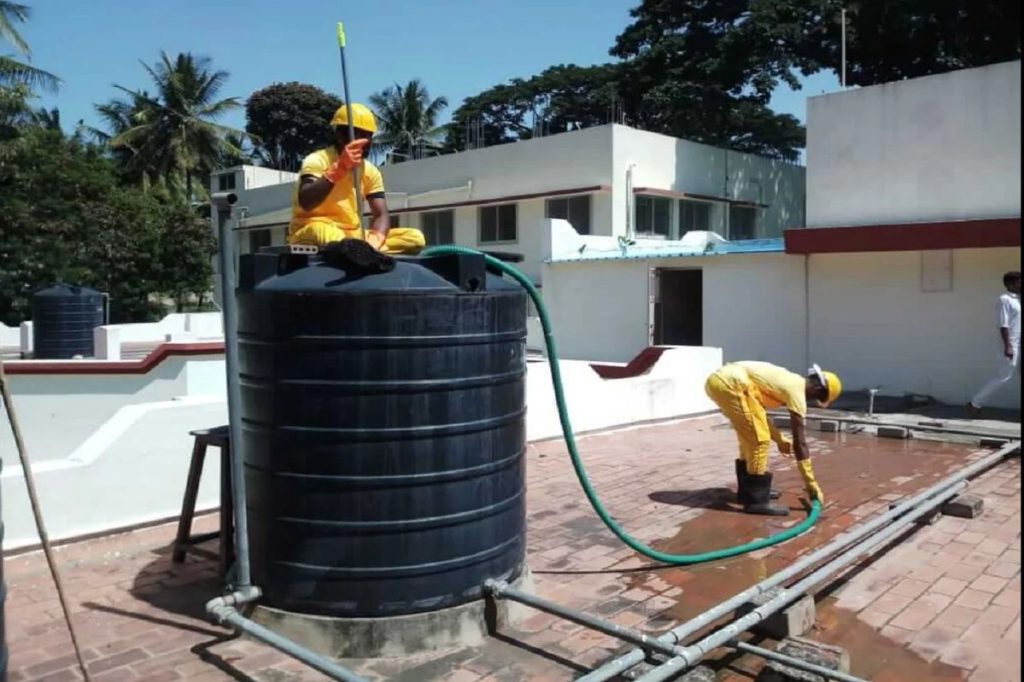
5 Tips for Water Tank Cleaning: Keep Your Water Safe and Fresh
Discover 5 practical water tank cleaning tips that help prevent contamination, improve water quality, and extend the life of your water storage system.
Clean water is essential for a healthy lifestyle, and maintaining a clean water storage system is just as important as the quality of the water itself. Over time, water tanks can accumulate dirt, sediment, algae, bacteria, and other contaminants that may affect water quality and pose health risks.
Regular cleaning helps ensure that the water stored in your tank remains safe for drinking, cooking, bathing, and other daily uses. In this article, we share 5 tips for water tank cleaning that will help you maintain a hygienic and efficient water storage system.
Tip 1: Inspect Your Water Tank Regularly
The first and most important of these 5 tips for water tank cleaning is regular inspection.
Check your water tank periodically for:
- Cracks or leaks
- Rust or corrosion
- Algae growth
- Sediment buildup
- Unpleasant odors
- Damaged lids or openings
Early detection of problems can prevent contamination and costly repairs.
Pro Tips
- Inspect your water tank at least every three to six months.
- Ensure the tank lid is tightly sealed to prevent dust, insects, and debris from entering.
- Repair any cracks or leaks immediately.
Tip 2: Drain the Water Safely Before Cleaning
Before starting the cleaning process, it is important to drain the water tank properly.
Steps to Follow
- Turn off the main water supply.
- Open the tank’s outlet or drain valve.
- Allow the water to drain gradually.
- Ensure the discharged water does not flood nearby areas.
- Follow safety precautions while entering or working around the tank.
Proper drainage makes the cleaning process easier and prevents accidents.
Pro Tips
- Wear protective gloves and footwear during cleaning.
- Avoid entering large tanks without proper safety equipment and ventilation.
- Keep children and pets away from the cleaning area.
Tip 3: Use Proper Cleaning Techniques
Using the correct cleaning methods is essential for effective results.
How to Clean a Water Tank
- Empty the tank completely.
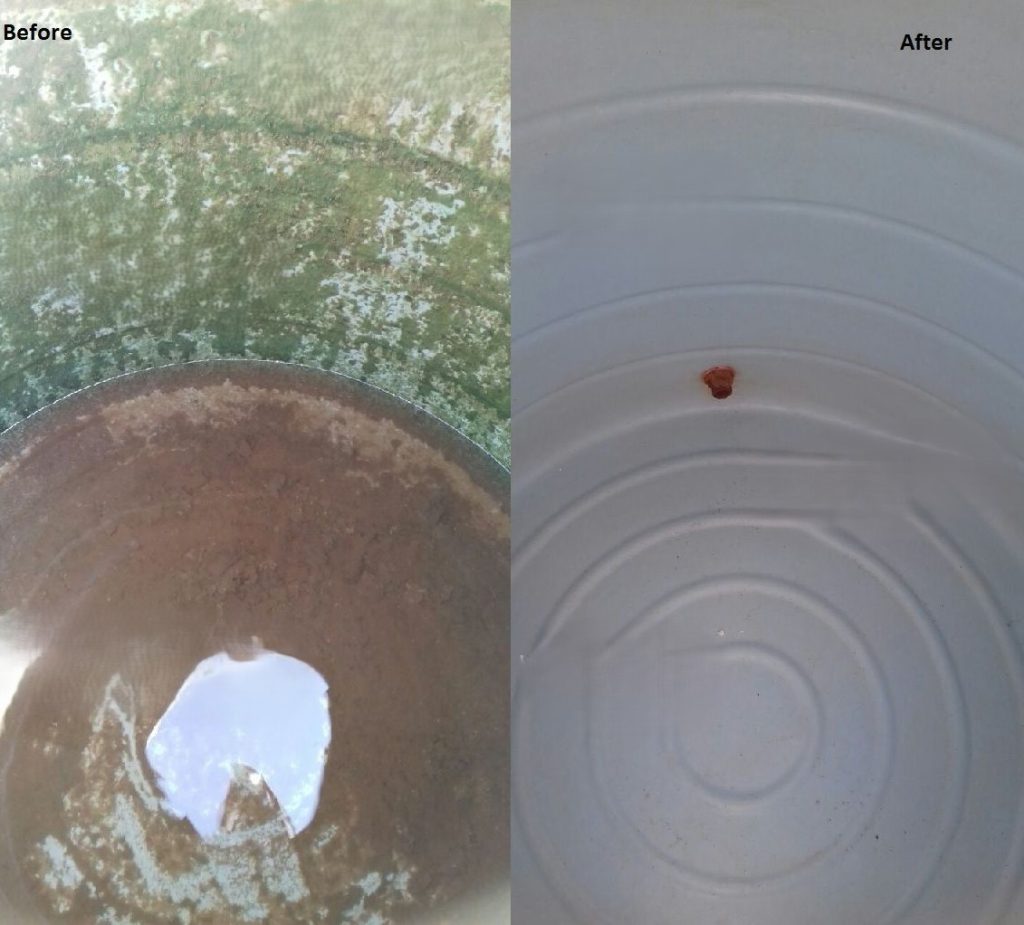
- Scrub the interior walls using a brush or sponge.
- Use cleaning agents specifically designed for water tanks.
- Remove slime, algae, and dirt from all surfaces.
- Rinse thoroughly with clean water.
Avoid using harsh household chemicals that may leave harmful residues inside the tank.
Pro Tips
- Use long-handled brushes for large tanks.
- Pay extra attention to corners and hard-to-reach areas.
- Ensure all cleaning residues are removed before refilling the tank.
Tip 4: Remove Sediment and Deposits
Sediment and mineral deposits naturally accumulate at the bottom of water tanks over time.
These deposits may:
- Affect water quality
- Cause unpleasant taste or odor
- Block outlets and pipelines
- Encourage bacterial growth
Effective Sediment Removal Methods
- Use a vacuum pump to remove sludge and debris.
- Scrub the bottom of the tank thoroughly.
- Flush the tank with clean water after cleaning.
Preventive Measures
To reduce sediment buildup:
- Install a filtration system.
- Use sediment traps.
- Keep the tank tightly covered.
- Schedule regular cleaning and inspections.
Among these 5 tips for water tank cleaning, sediment removal plays a major role in maintaining water purity.
Tip 5: Disinfect and Maintain the Tank Regularly
Cleaning removes visible dirt, but disinfection eliminates harmful microorganisms that may remain inside the tank.
How to Disinfect a Water Tank
- Use a disinfectant recommended for water tanks.
- Follow the manufacturer’s instructions carefully.
- Allow sufficient contact time for the disinfectant to work.
- Rinse thoroughly before refilling the tank.
Establish a Maintenance Schedule
For optimal water quality:
- Inspect the tank every 3–6 months.
- Clean and disinfect the tank at least once or twice a year.
- Increase cleaning frequency if the tank is exposed to dust, heavy use, or contaminated water sources.
Regular maintenance is one of the most important 5 tips for water tank cleaning because it ensures long-term water safety.
Why Regular Water Tank Cleaning Matters
Keeping your water tank clean provides several benefits:
- Improves water quality
- Removes harmful bacteria and algae
- Prevents unpleasant odors and taste
- Extends the lifespan of the tank
- Reduces maintenance costs
- Protects the health of your family or employees
Clean water starts with a clean storage system.
Conclusion
Following these 5 tips for water tank cleaning can help you maintain a clean, safe, and reliable water supply throughout the year.
Regular inspection, safe drainage, proper cleaning techniques, sediment removal, and routine disinfection are essential practices that keep your water tank functioning efficiently and your water free from contaminants.
Make water tank cleaning a regular part of your maintenance routine and enjoy the peace of mind that comes with knowing your water is clean, fresh, and safe for everyday use.
A little effort today can go a long way in protecting your health and ensuring the long-term performance of your water storage system. Contact us for more information.